by Philippa | Jul 5, 2014 | Allotment
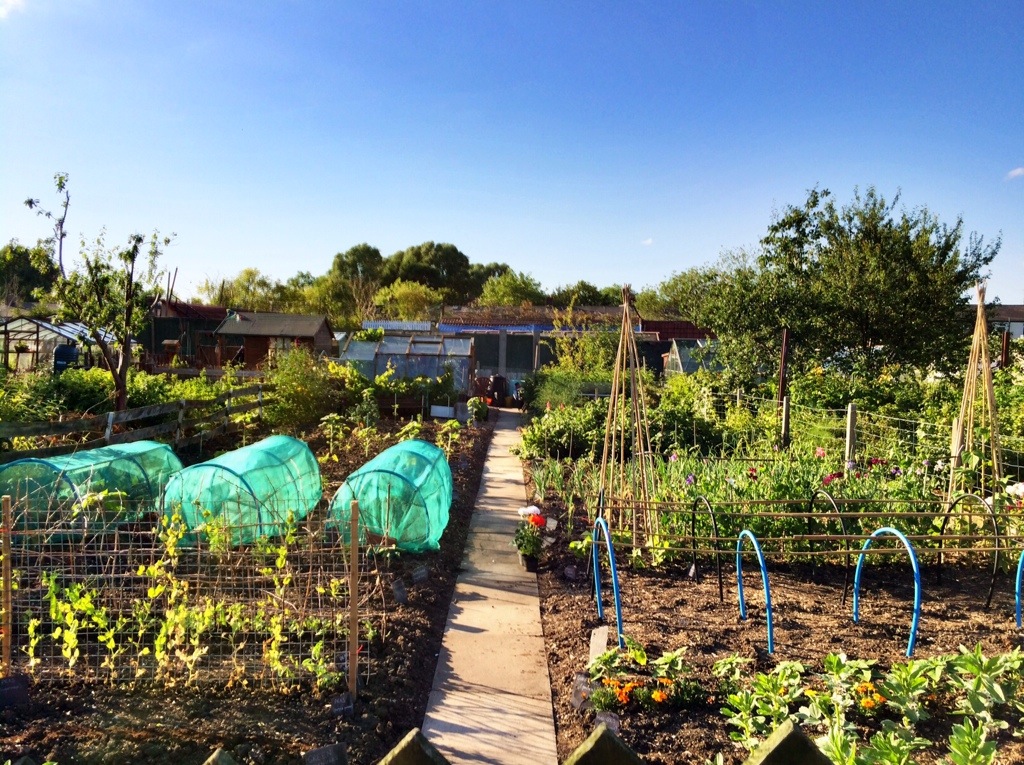
Glorious sunshine greeted us as we arrived at the plots today ready for a mammoth session to make up for our absence due to Glastonbury. I had managed a quick visit mid week after we got back home to give everything a water as it had been hot while we were away but hadn’t had enough time to do much more than pick some strawberries that were ripe. We knew therefore that there would be plenty to keep us busy and so planned a long stay (although slight hiccup in plan when we realised our pack lunch was still sat at home and Neil had to drive back to get it!).
Weeding and watering was the first plan of action as even a week off at this time of year can make a big difference to the number of weeds taking over. We blasted both plots, including the front and back borders and things already looked better. The bees were enjoying the sunshine, the lavender was so full of what looked like honey bees that they were humming as you passed them! That will make for some nicely scented honey.

We then had to sort out some failures, or if not failures then at least less successful things. The cauliflower and some cabbages that went into the tunnels a couple of weeks ago had been decimated by something. Given they are covered it isn’t wood pigeons to blame which leaves slugs or caterpillars. They had pellets down for slugs so we suspect caterpillars! Neil gave everything in the two tunnels a good spray with diluted washing up liquid and I think he even plucked off a couple of the wriggly green blighters that he spotted so hopefully that will sort it. But the ones that had been lost were non existent or beyond saving, so cutting our losses we filled the gaps with some more cabbages (tundra and minicole) and the remaining spaces will be filled with some savoy (vertus) which we potted on today so will be ready to plant in a week or two. The third tunnel on that side was planted with borecole (scarlet) and calabrese (green sprouting) and we’ll keep our eyes peeled for pests!
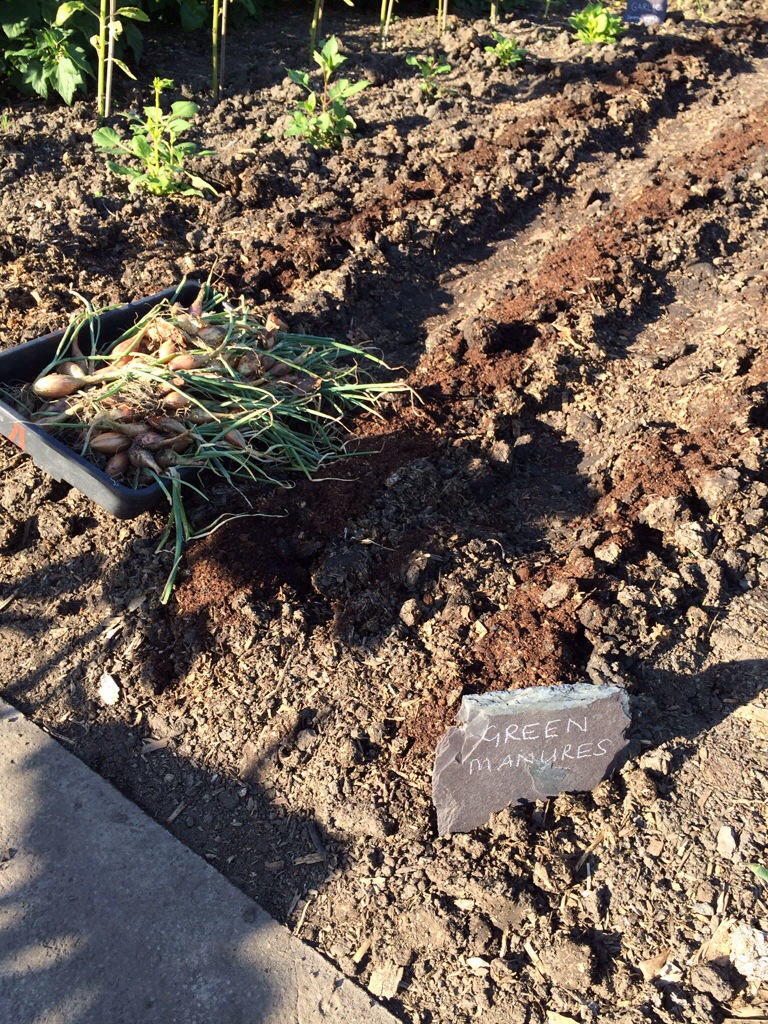
Another disappointment were the shallots. Over the last few weeks they have been gradually looking as if they have been dying off. Not like they do when they are ready to pick, just wilting away to almost nothing. We’d given them some liquid feed to perk them up but even this hadn’t worked and today all of them looked dead! Neil dug them up and put some green manure in their place. He also sowed some green manure over the area where the poppies hadn’t germinated. The shallots themselves didn’t look too bad once out of the ground, they are usable, but they are the worst we’ve grown in a few years and it was the same variety that were good sized and problem free last year. The only difference this time was they were in the open ground on plot 118 rather than a bed on plot 97, so maybe in future they need to stay in a bed to perform best.
We needed to catch up with the plants that were outside ready to be planted out and those that needed potting on. We put out all the remaining squash (bon bon, metro pmr, autumn crown, little gem rolet, crown prince, buttercup) and once you factor in the space they will expand into it didn’t leave much left before plot 118 would be full. We planted out the celeriac (prinz), some of which seemed to have partially succumbed to slugs so hopefully they will pick up and I’m excited to try what is a new crop for us.
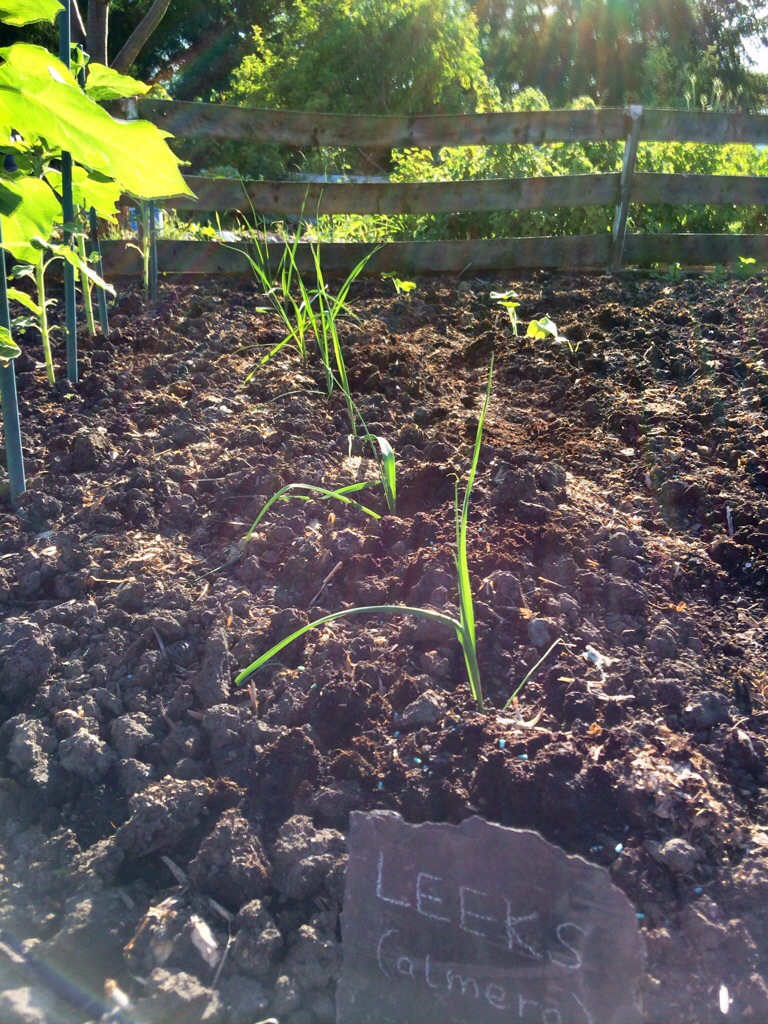
The leeks (almera) were planted out and considering they were a bit of a rescue job after a hot greenhouse incident they looked really good. We made good use of our leeks last year so I’m pleased we will have enough to do the same again.
We put the sweet Williams and wallflowers into the coldframe and took out some things to pot on. We put the purple sprouting and summer purple sprouting into larger bags and I think it will only be a week or two before they can be planted out. We also bagged on the cavolo nero and dwarf curly kale. Given we had filled so much space with squash and other bits and pieces there wasn’t a great deal of space left but in readiness for the plants we potted on, Neil constructed two long tunnels, as long as the full width of one side. We made them much narrower and taller than usual as the crops going in them get really tall and the netting can sometime squash them down a bit too much.
We had some lovely strawberries, blackberries and cucumbers (minus one which Neil cut up for his sandwiches!) to take home and a small handful of currants, both red and black and it’s nice after a long and hot day to have some treats at the end of it!
by Philippa | May 25, 2014 | Allotment
We really are being spoiled with the run of three day weekends we have had since Easter, it’s a shame we have to wait until August now for the next one!
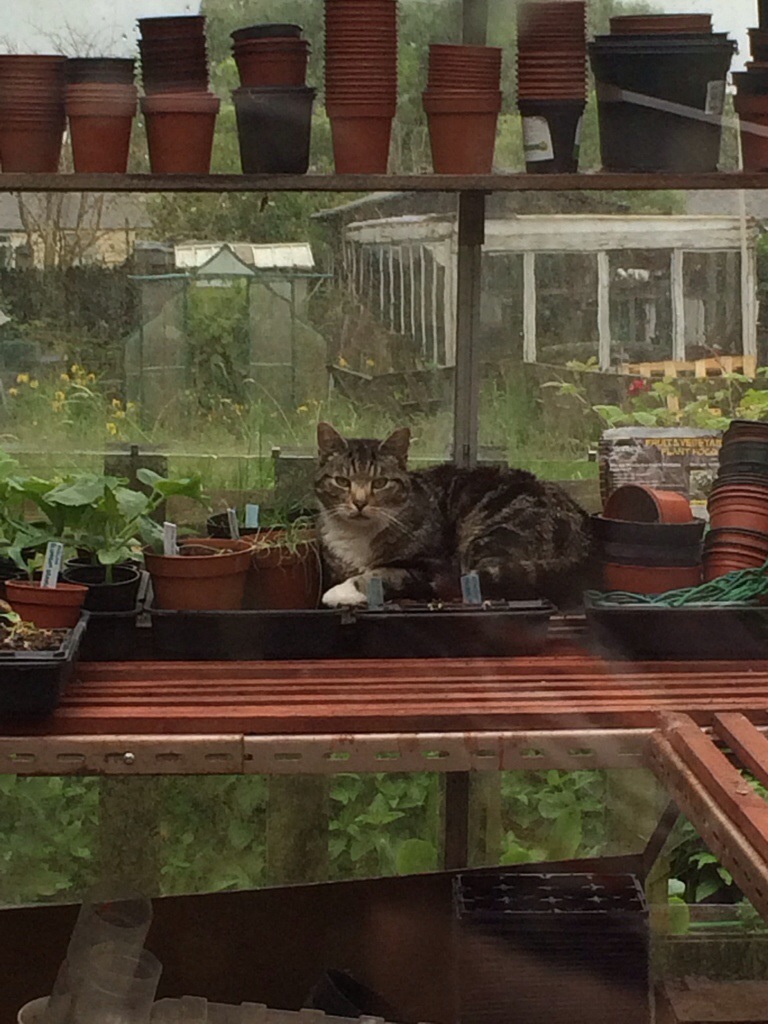
After coming back from Spain on Thursday we knew that while there had been some warm days, there had been mostly cooler temperatures and quite a bit of rain. This was to bode well for how things had got on in our absence! However, as predicted last week the tray of calabrese that had suffered in the heat had not had a miraculous recovery and so I had to sow some more calabrese green sprouting, purple sprouting and summer purple sprouting broccolis. But at least the old dried out tray did not go to waste, as we discovered the culprit in ‘cat bum gate’!
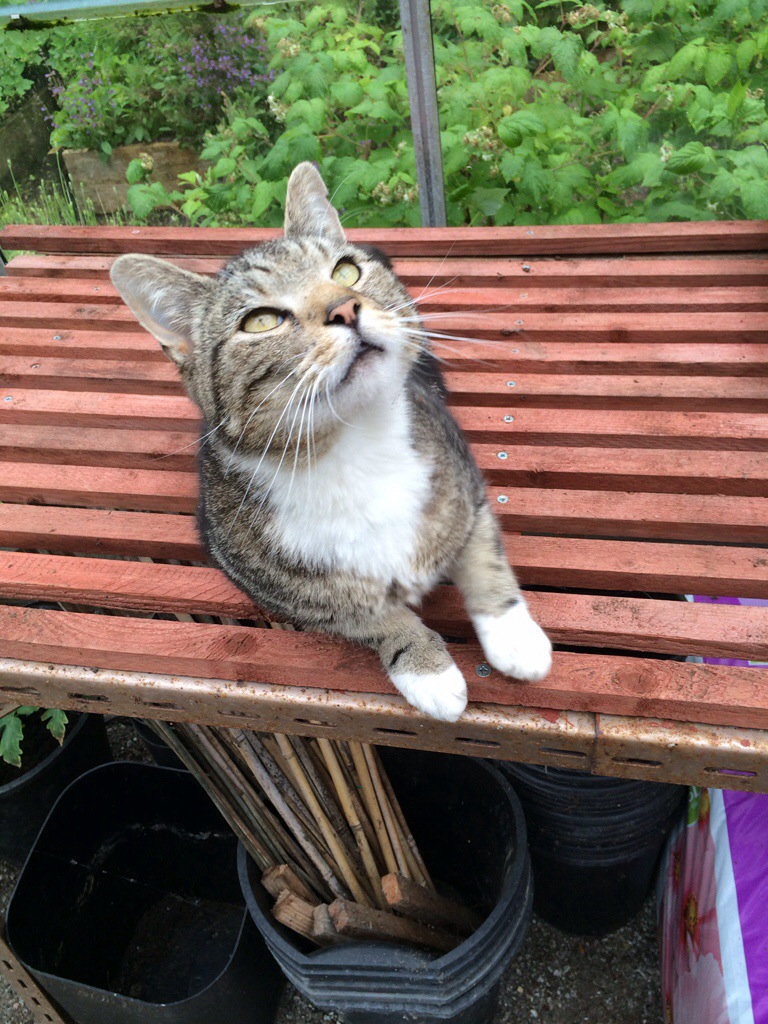
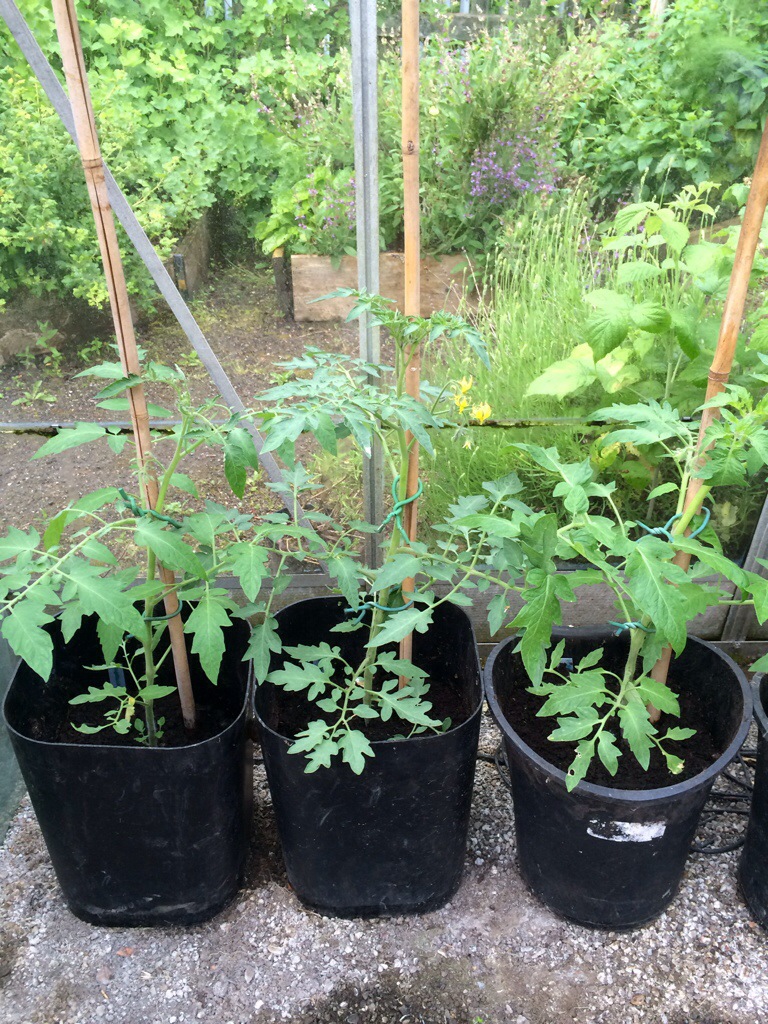
We had a lovely lunch with friends today so we only got to the plot after 4pm. We had a long list of things we wanted to get done and managed to check off quite a few items despite the late hour. The tomatoes have come on well and suddenly looked tall and full of side shoots, so Neil removed them and tied them up.
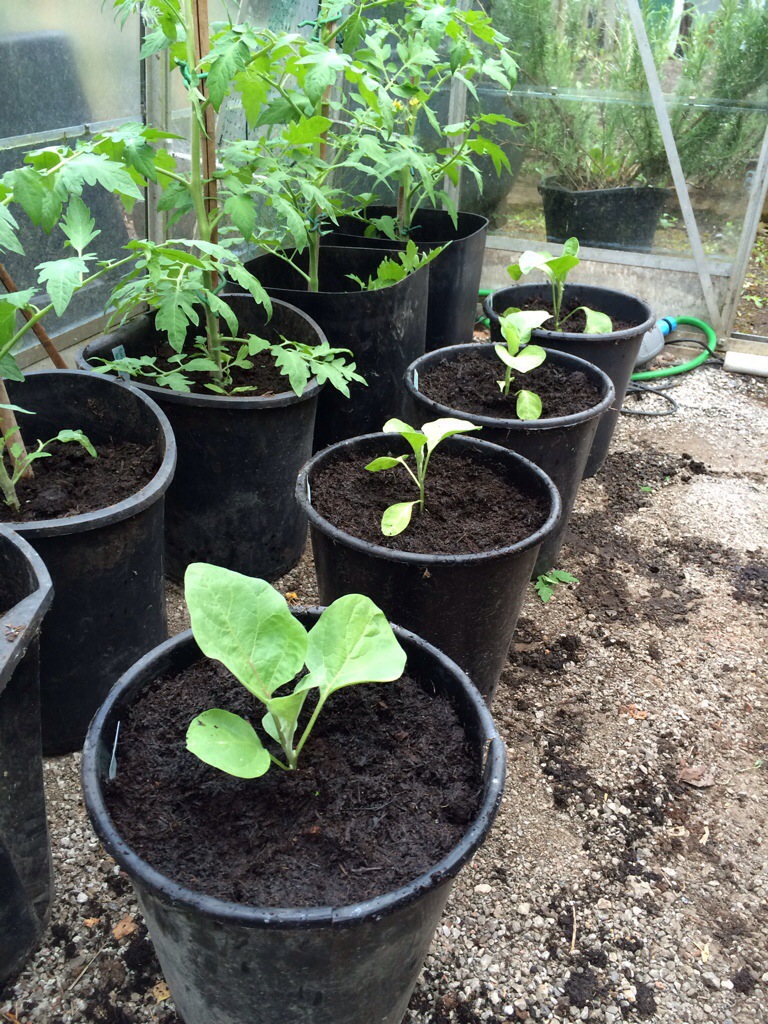
We potted on the aubergines (jackpot and long purple) and most of the courgettes. Although, oddly, the zucchini variety hadn’t germinated at all so I popped another few seeds while we potted on the rest. We also potted on the chillies (which I think we were on the third or fourth sowing of after a strange run of issues with them!) and as a result of all of these jobs, Neil had to take down one side of the staging to make extra room.
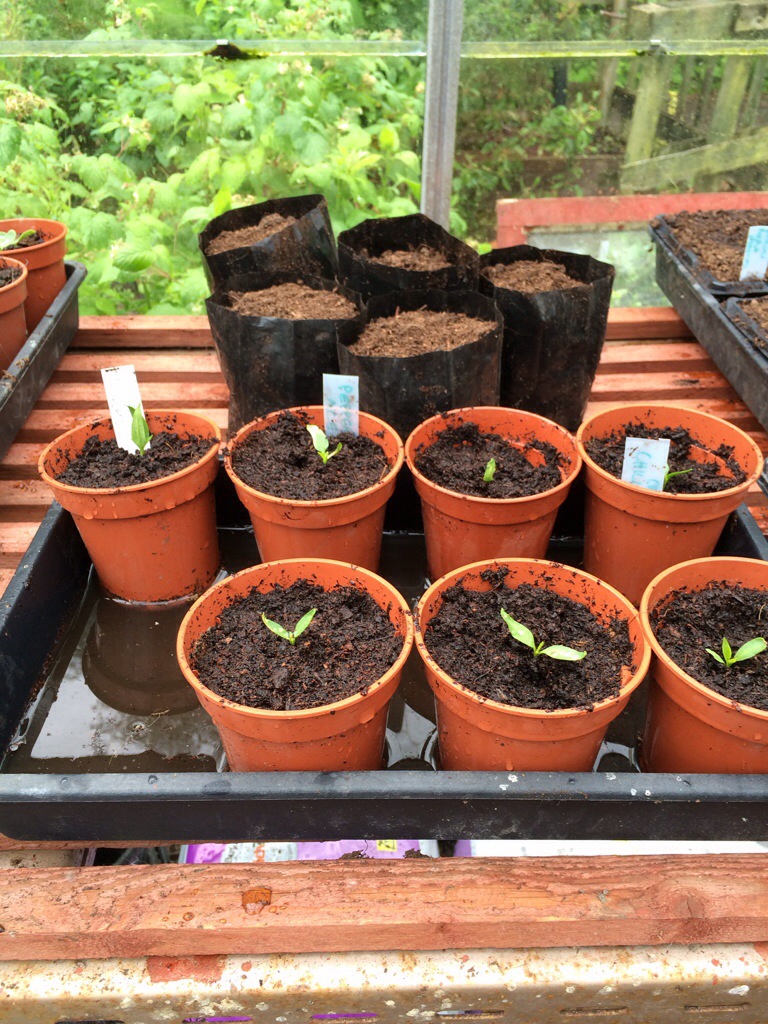
On a slightly smaller scale I sowed some more Savoy cabbages as they had some patchy germination and I pricked out some leeks (almera) into larger pots to get them a bit stronger while also sowing a large pot of the jolant variety.
In the greenhouse on 118 Neil hacked back some of the grapevine, and I do mean hacked back. It grows with abandon and I’m convinced that the harsher you treat it, the more it likes it! We try and train a central line along the apex of the greenhouse roof so that it doesn’t get too much in the way of the other produce in there but it still persists in trying to, literally, branch out!
As for outside jobs, there was lots of re-jigging of the coldframe to be done to fit in the cauliflower (snowball), zinnia, aster (milady), chrysanthemum (mixed) and celeriac (prinz) that were ready for some cooler conditions. I also gave the shallots a water, as while they didn’t need the moisture after a lot of rain in the last day or so, they did need some organic feed as they had some yellowing tips and generally looked in need of a bit of a boost.
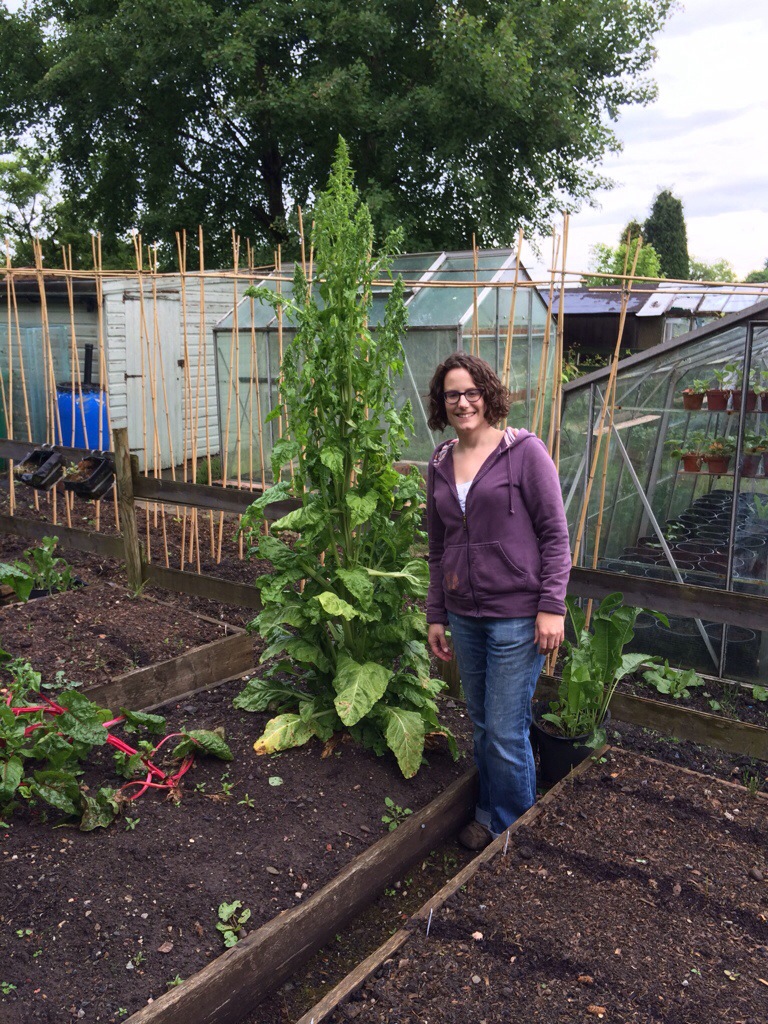
We dug up the spinach that had most definitely gone to seed! In fact I was joking that we had been keeping it in until it grew as tall (yes I said tall!) as me. Well it had exceeded that height, so it was most definitely time for it to come out. We’ll add some manure and feed to the bed once we dig it over to get it ready for whatever is next to come.
There are still jobs left on the list for tomorrow’s bonus weekend day but we are hoping for drier conditions to get more done outside, fingers crossed.
by Philippa | Apr 20, 2014 | Allotment
The weather was much cooler today and it was very very windy so I took refuge in the greenhouse with a mammoth planting session. Neil loves sunflowers so there are several trays of them (Pacino, earthwalker and ring of fire). I also did cabbage (savoy vertus, pointed red kalibos and red drumhead), pak choi (joi choi and rubi), leek (almera), celeriac (prinz), cucumber (cucino), squash (honey bear), climbing French bean (cobra), peas (early onward, purple podded, sugarsnap and Oregon sugar pod) and watermelon (charleston grey). The staging is now heaving and it is pleasing to see all the trays in various stages of sprouting.
I also planted some flowers as well and discovered my new favourite seed! They are for the acroclinium and they are like little dots of cotton wool, all fluffy and white. Although I had to be a bit careful with it being so windy that they didn’t get blown away!
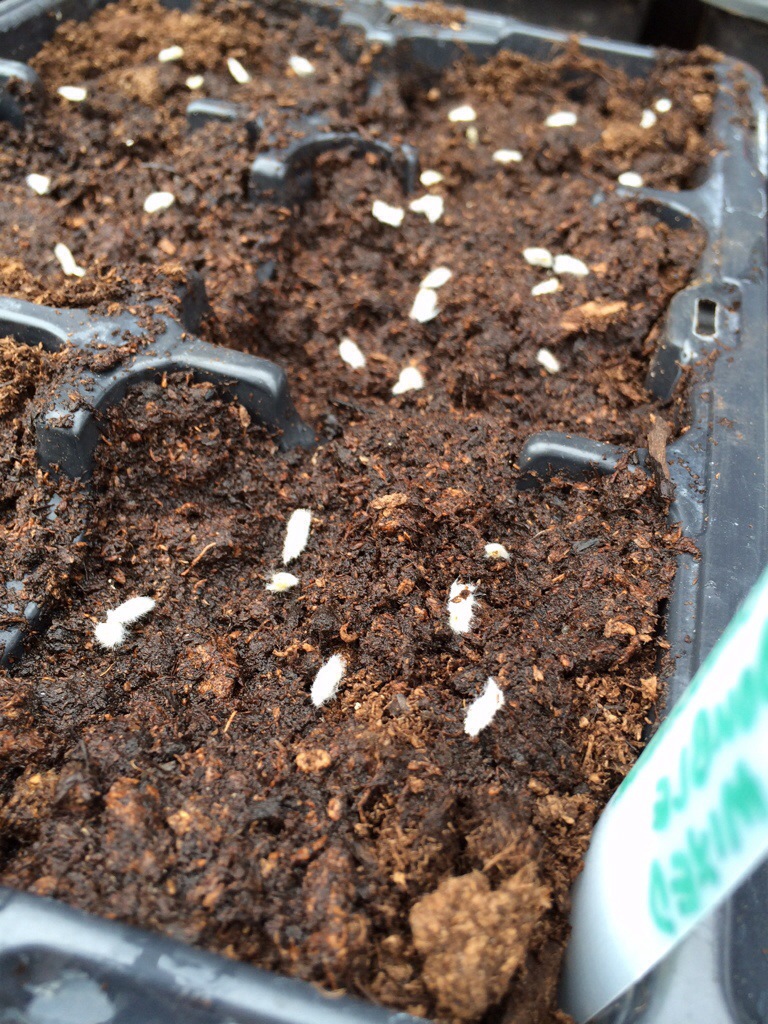
Along with the acroclinium (double mixed) we now have aster (milady), zinnia (Oklahoma), chrysanthemum (rainbow) and ipomoea (grandpa ott). The dahlia and marigolds we sowed a couple of weeks ago have all germinated really well and so we pricked out the marigolds to individual cells of the seed trays. We haven’t been great at doing this in the past with our flowers and so we are trying to do better this season. So we now have nearly 100 marigolds! Oh well, if there are spare we can put them in some planters and I’m sure they will be appreciated in the gardens of friends and family.
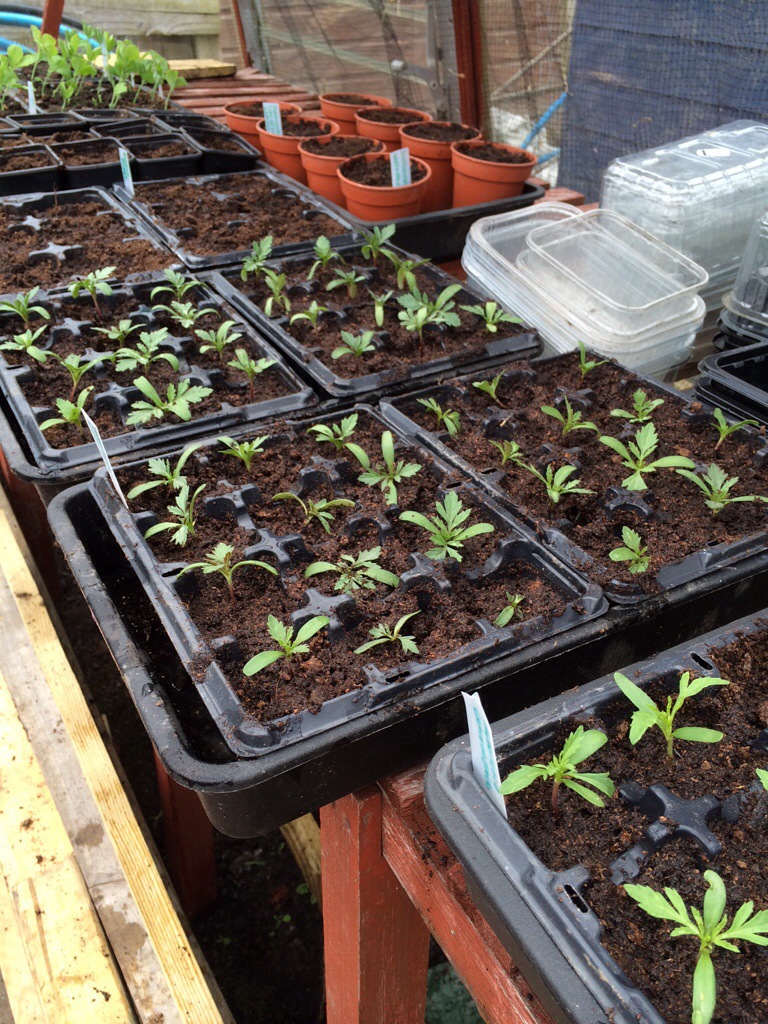
While I was in the greenhouse Neil was on to his second DIY job of the weekend, building a coldframe. It certainly kept him quiet for a good while as there were lots of angles to cut. In the end he had to move on to another job as he needs to buy some longer screws (in all the boxes of screws we have there aren’t any long enough, which seems unlikely but true!) so he cleared the couch grass from the rear of plot 118.
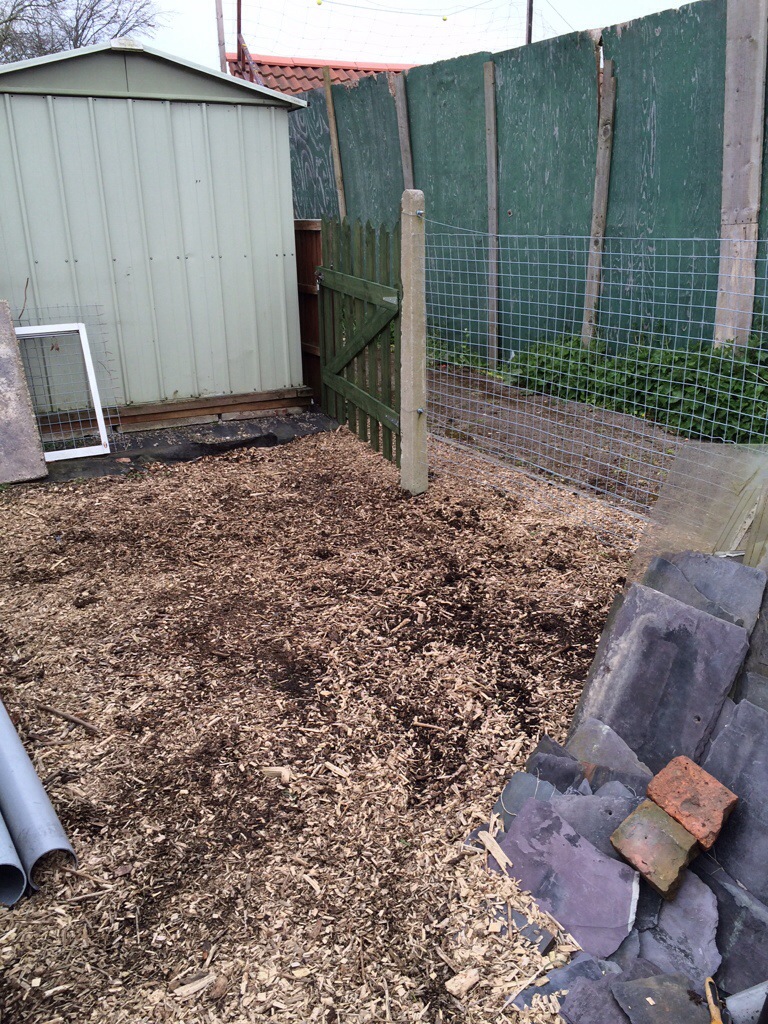
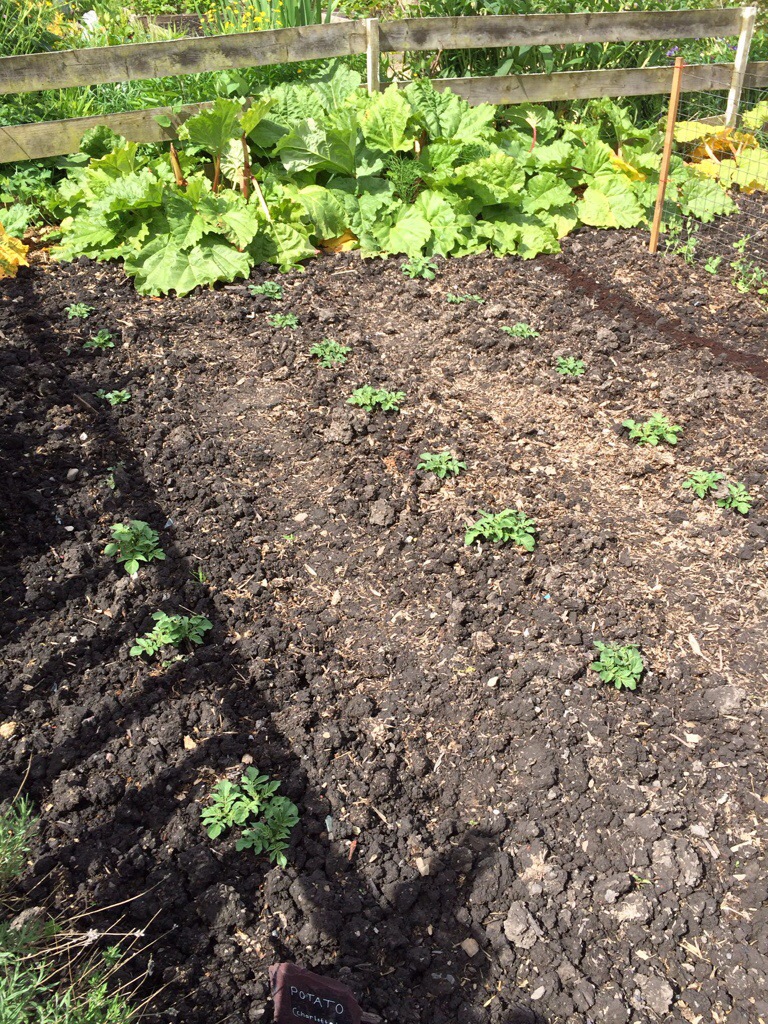
We both then tackled the digging over at the front that Neil started on Friday. It is so much quicker with two of you on the job and satisfying how much progress you can make. So much so we were able to plant the potatoes that we have chitted, only one variety this year, Charlotte, in three rows.
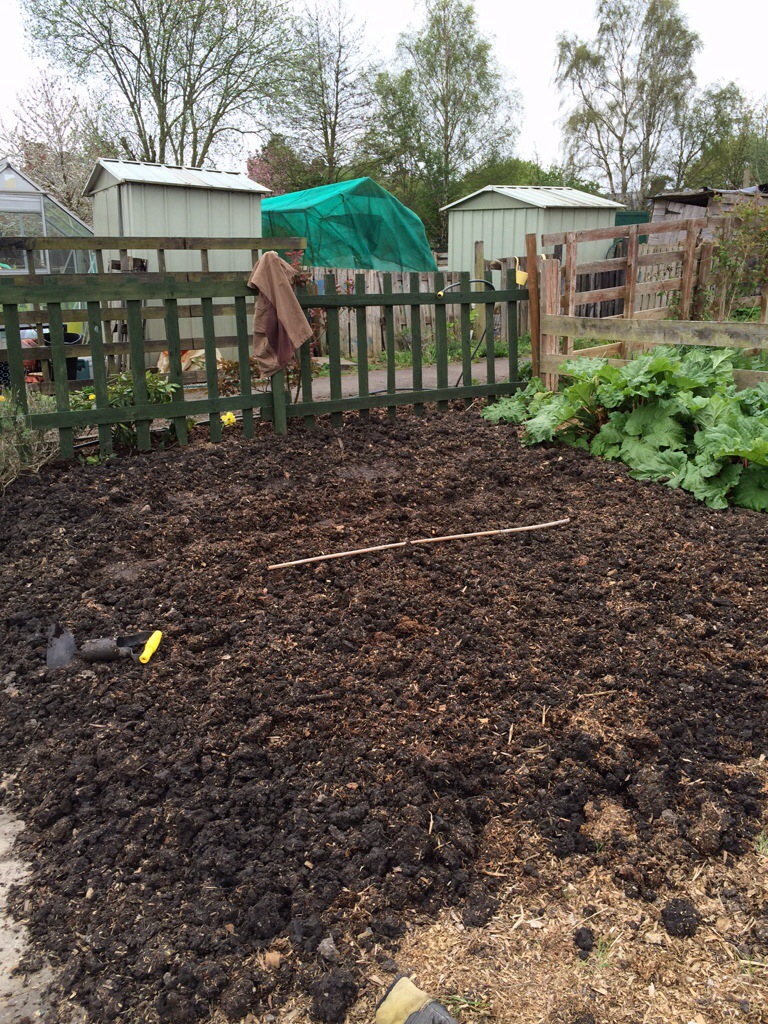
We think we have passed the milestone of digging over half of plot 118, woohoo!
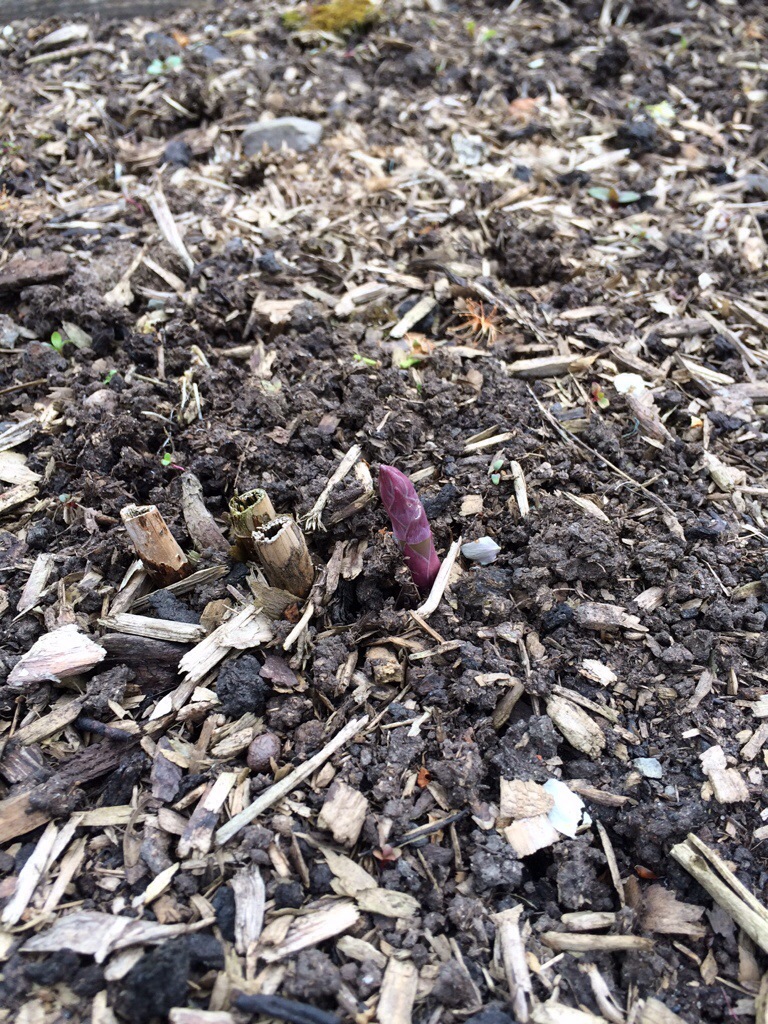
Another exciting milestone, we spotted the first signs of the asparagus! I’m sure that it has usually arrived by this time of the year and so I had thought that maybe it had died so I’m pleased to see it again, fingers crossed we might get a crop of it this year (only about four years after we planted it ha!).
We took home the last of the leeks-I think it is a record as this year we have eaten every single leek we grew! Also a bundle of rhubarb and a tray of purple sprouting broccoli that would not look out of place in the supermarket! The leeks and most of the broccoli made a tasty tea for two. Recipe to follow…
by Philippa | Feb 3, 2009 | Allotment
For the novice allotmenter there is a wealth of advice to help you along your way. This comes in many different forms, whether it be the internet, fellow plot holders (particularly those of advancing years it would seem!) or good old fashioned books. We have been making use of all of these sources of information but I thought I would share with you those books that we have purchased and found to be helpful so far.
1. Grow Your Own Veg by Carol Klein
For those of you who are avid viewers of ‘Gardeners’ World’ on BBC 2 you will already be familiar with Carol with her magical green fingers and voice of a navvy. This book immediately won points with me for the lovely feeling cover. I have a particular, some may say weird, penchant for those slightly matt and smooth book covers you occasionally get on a hardback and this one fits the bill. But for those of you who are more interested in reading the contents of a book than fondling the cover, let me tell you that this book comes highly recommended. As the title suggests it is all about growing veg, whether in a small garden or a full size allotment. It comes with a very useful preparation section which advises how to make the most of the space available, prepare the area and deal with common problems.
The book then moves on to chapters on the vegetables you may want to grow. Each vegetable is dealt with over a page or double page spread with plenty of colourful photographs showing seedlings right the way through to the harvested product. The text addresses the best times to sow and harvest each vegetable, how to sow and cultivate your crop and most importantly how to harvest it. There is also useful advice on pests and diseases. What I found particularly interesting was the information on recommended varieties of each vegetable. When choosing your seeds it is amazing how many varieties are available and for a novice it can feel almost impossible to differentiate between them, so sections like these can identify those that will suit your individual growing space or indeed your tastes.
2. Cook Your Own Veg by Carol Klein
The sister book of the one above and again the title is pretty self explanatory. There is a degree of duplication in these two texts regarding planting and cultivating but not so much that I would only advise buying one of them. This book is organised into seasonal chapters for ease of use in finding recipes for those crops you find yourself with a glut of. There are at least two recipes for each vegetable which include delicious offerings such as roast pumpkin gratin, caramelised onion jam and tandoori celeriac. Certainly one for those who get weary of the same old vegetable side dishes as this will definitely inject some imagination into tea time.
3. Your Organic Allotment by Ian Spence and Pauline Pears
Points are awarded for Pauline’s amusingly appropriate surname! This one caught our eye as we were keen for a book about growing organically. Not having grown anything aside from some mould on our granary loaf we don’t yet know whether we are being realistic in our organic aspirations. We do know that Val who has a plot on the other side of the site grows organically and she seems to do very well out of it but she is quite experienced and has an established plot so it is difficult to compare to ours. This book is really all you need to get started as it has a wealth of information on planning and preparing your plot. It includes a practical section which demystifies crop rotation, with the help of drawings, which is a topic that can cause much confusion to the novice.
This book covers both fruit and vegetables which takes it beyond the two books mentioned thus far, but does devote slightly less space to each one. However, it has great information on green manures, attracting beneficial wildlife and a troubleshooting section on pests and diseases which are all crucial for those trying to be as organic as possible. A handy sized reference book for all areas.
4. Grow Your Own, Eat Your Own by Bob Flowerdew
It must be a requirement for gardening authors to have a flora or fauna related surname and the cynic in me wondered whether this was Bob’s genuine name. But one look at his plaited hair made me realise he could never tell a lie. This book is firmly focused on dealing with your crops once harvested and is accompanied by some truly inspirational photographs of Bob at work in his beautiful but haphazard garden. I have to admit that it was a real eye opener for me to discover the number of varied ways in which to store and preserve your crops, such as smoking, leathering, crystallising and brining. There is even a small piece on making love potions for the hippy in you. It does contain the more usual advice on varieties and harvesting as well as suggesting the best methods of preserving each crop. Alongside there are recipes for classics such as summer pudding and carrot cake and more unusual offerings like walnut liqueur or broad bean pate. A real gem that makes a lovely coffee table read.
The downside to all of this research is that it does have the tendency of making us feel quite anxious about what lies ahead. Will we know what to do and when to do it? What if we do it wrong or forget to do it in the first place? Only time will tell I suppose!

Recent Comments